
Introduction: The Importance of Regular Checkups
Many people wonder how regular checkups can catch health issues early. Regular health checkups are important for everyone. They help you find problems before they become serious. In fact, early detection of diseases can save lives. When you visit your doctor often, you give yourself the best chance to stay healthy. Even if you feel fine, a checkup can reveal hidden issues. So, making checkups a habit is a smart choice for your well-being.
Why Early Detection Matters
Early detection of diseases offers many benefits. First, it allows doctors to treat problems before they get worse. For example, catching high blood pressure early can prevent heart disease. Also, early treatment often means less medicine and fewer hospital visits. In addition, you may avoid serious complications. According to the CDC, regular checkups help lower the risk of many chronic diseases. Therefore, seeing your doctor often is a key part of preventive health screening.
Common Health Issues Detected by Regular Checkups
During a checkup, doctors can find many health problems early. Some common issues include:
Because many of these problems do not cause symptoms at first, regular checkups are vital.
What Happens During a Regular Checkup
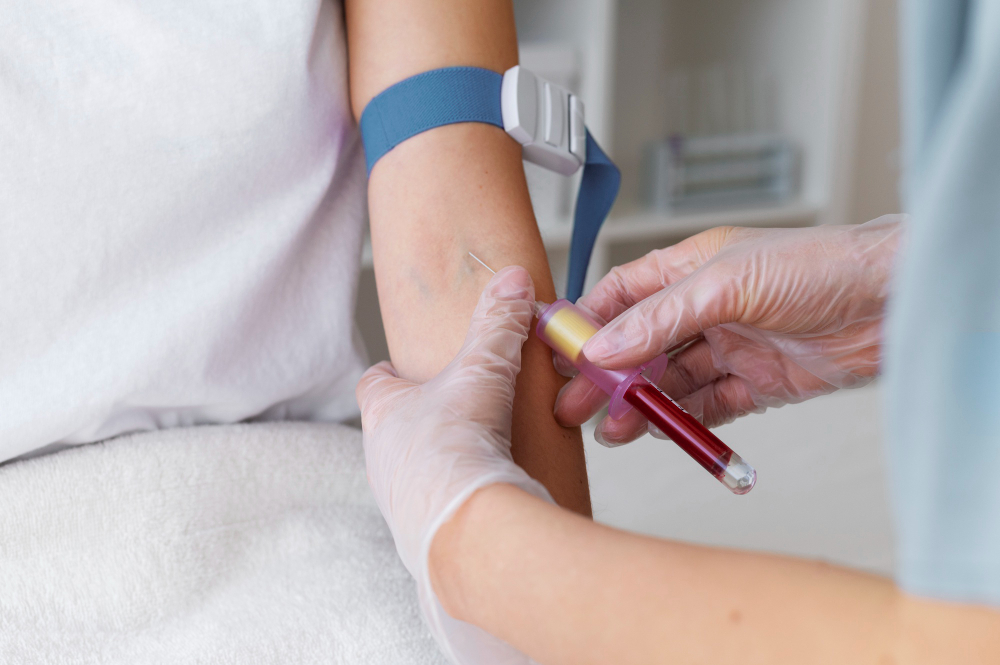
During a regular checkup, your doctor will ask about your health and lifestyle. Next, they will check your weight, height, and blood pressure. Often, you will have blood and urine tests. These tests look for signs of common diseases. Sometimes, your doctor may suggest cancer screenings or other special tests. For example, women may get a breast exam, while men may have a prostate check. Your doctor will also review your family history. This helps them spot risks you may not know about.
How to Schedule and Prepare for a Checkup
Scheduling a checkup is easy. You can call your doctor’s office or book online. Many clinics offer regular checkups in your area. To prepare for your visit, follow these tips:
Because preparation helps your doctor understand your needs, you get the most from your visit.
Prevention and Lifestyle Guidance
Between checkups, you can take steps to stay healthy. For instance, eat a balanced diet and exercise often. Avoid smoking and limit alcohol. Also, get enough sleep and manage stress. Your doctor may give you advice based on your checkup results. Following this advice can help prevent many health problems. In addition, regular checkups and healthy habits work together for better health.
Conclusion: Stay Proactive with Regular Checkups
In summary, regular checkups play a big role in catching health issues early. They help you stay ahead of problems and enjoy a healthier life. Because early detection leads to better outcomes, make checkups a regular part of your routine. Consult your healthcare provider to schedule your next regular checkup and stay proactive about your health.