
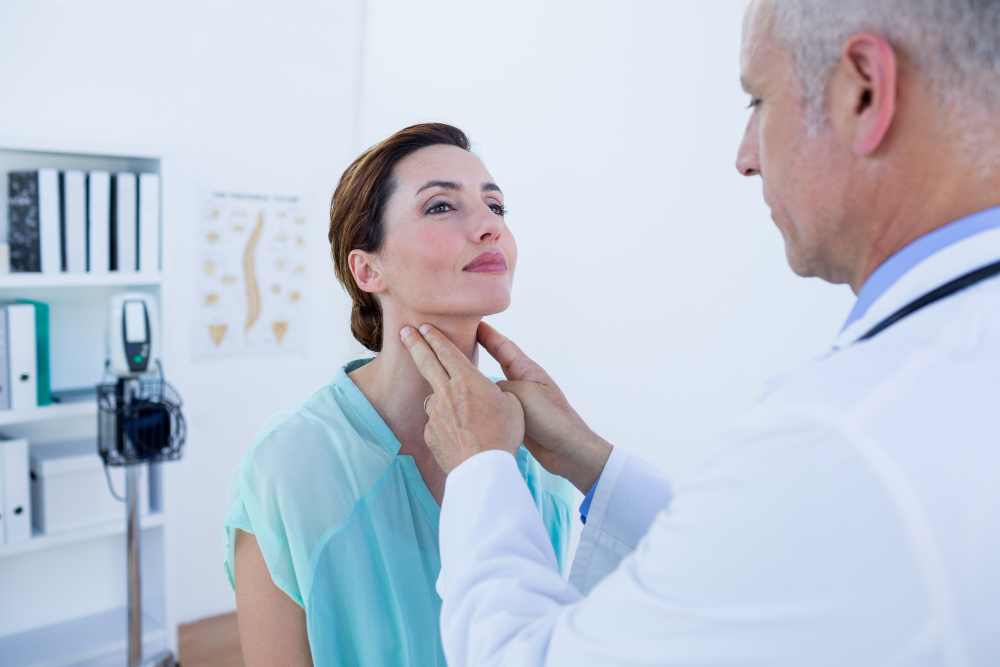
Thyroid panel tests are blood tests that check how well your thyroid gland works. These tests, also called thyroid function tests, measure hormones like TSH, T3, and T4. Because your thyroid controls many body functions, knowing your thyroid levels is important. Early testing helps find problems like hypothyroidism or hyperthyroidism. If you are searching for a “thyroid test near me,” understanding these tests can help you prepare.
What Are Thyroid Panel Tests?
Thyroid panel tests look at the main hormones made by your thyroid gland. Usually, the panel includes:
Sometimes, your doctor may order extra tests, such as thyroid antibodies, if they suspect an immune problem. These tests give a full picture of your thyroid health.
Why Are Thyroid Panel Tests Important?
Thyroid panel tests are important because your thyroid affects almost every part of your body. For example, these tests can help find thyroid problems early. Early detection means you can get the right treatment sooner. If your thyroid is not working well, you may feel tired, gain or lose weight, or have mood changes. Regular testing helps keep your thyroid levels in the normal range. According to the CDC, untreated thyroid issues can lead to serious health problems.
Symptoms That May Require Thyroid Testing
Sometimes, your body gives signs that your thyroid may not be working right. You should talk to your doctor if you notice:
Because these symptoms can have other causes, a thyroid blood test helps find the real reason.
How Are Thyroid Panel Tests Performed?
Getting a thyroid panel test is simple. First, a healthcare worker takes a small blood sample from your arm. Next, the blood goes to a lab for testing. The whole process usually takes less than 10 minutes. You may not need to fast, but always ask your doctor. After the test, you can go back to your normal activities. If you are looking for a “thyroid test near me,” many clinics and labs offer this service.
Understanding Your Results
After your test, your doctor will explain your results. Here is what they usually mean:
Sometimes, results are not clear. In that case, your doctor may order more tests or repeat the thyroid panel. Always discuss your results with a healthcare provider for the best advice.
When Should You Get Tested?
Many people wonder when to get a thyroid panel test. You should consider testing if you:
Some people need regular testing, while others may only need it once. Your doctor can tell you how often you should get checked.
Prevention and Lifestyle Tips
While you cannot always prevent thyroid problems, you can take steps to support thyroid health. For example:
Because early care is important, talk to your doctor if you have concerns about your thyroid.
Consult a healthcare provider for personalized advice on thyroid panel tests.